What Is Ready Mix Concrete Drying Time?
If you are starting a project, one of the first things you will ask is about
ready mix concrete drying time. It sounds simple, but most people misunderstand what “drying” really means when it comes to concrete.
Concrete does not just dry like water. It goes through a process where it hardens and gains strength over time. Even when it looks dry on top, it is still changing inside and becoming stronger day by day.
That is why knowing the real timeline is important. It helps you avoid damage, cracks, and mistakes that can cost you later. A lot of problems in construction come from using concrete too early, not from the concrete itself.
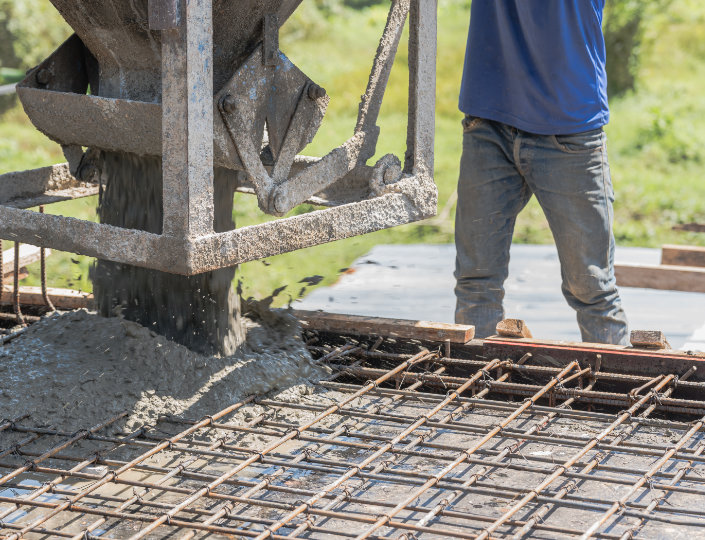
How Long Does Concrete Take to Dry?
When people talk about
concrete drying time, they usually want one clear answer. The truth is that concrete works in stages, and each stage matters depending on what you want to do next.
- 24 to 48 hours: safe for light walking
- 7 days: much stronger and more stable
- 28 days: close to full strength
So if you are asking
how quickly does concrete dry, it depends on your goal. Walking, driving, and full structural strength all happen at different times, and mixing them up can lead to damage.
This timeline also assumes normal conditions. If the weather is poor or the job is more complex, these time frames can shift.
Why Concrete Keeps Getting Stronger
One important thing to understand is the difference between drying and curing. This is where most confusion happens when talking about
curing of concrete days.
Concrete does not just lose water. It actually uses water in a chemical reaction to build strength. This reaction continues long after the surface feels hard, which is why curing is more important than drying.
In fact, if concrete dries too fast, it can stop gaining strength properly. That is why professionals focus on controlling moisture instead of just letting the surface dry out.
What Affects Drying Concrete in Ireland?
Ireland’s climate plays a big role in
drying concrete. Weather conditions can change quickly, and that affects how concrete behaves after it is poured.
Cold weather slows everything down. The concrete takes longer to gain strength, and in some cases, the process can almost stop if temperatures drop too low. On the other hand, warm weather can speed things up, but it also increases the risk of surface cracking.
Wind is another hidden factor. It can dry the surface too fast, even when the air temperature seems fine. Rain can delay finishing and affect the top layer, especially if it happens too soon after pouring.
Because of this, timing your pour in Ireland is just as important as choosing the right mix.
Thickness and Mix Also Change the Timing
The size and type of your concrete job affect
ready mix concrete drying time more than most people expect. A deeper slab holds moisture longer, which means it takes more time to fully cure.
For example, a small footpath may be ready quickly, but a thick foundation or farm slab will need much more time before it can handle full loads. The inside of the concrete always takes longer than the surface.
The mix design also matters. Some mixes are created for faster strength, while others focus on durability and long-term performance. Additives and materials used in the mix can change how quickly the concrete gains strength.
That is why using the right mix for the right job is critical from the start.
When Can You Walk or Drive on Concrete?
This is usually the most important question for any project. You want to know when it is safe to use your surface without causing damage that cannot be fixed later.
Walking on concrete after one or two days is usually safe, but that does not mean it is ready for heavier use. Vehicles, machinery, and stored loads put much more stress on the slab.
Driving on it too early can create cracks that stay permanently. In farm environments, this is even more important because tractors and equipment are much heavier than cars.
Waiting a few extra days can make a big difference in long-term performance.
Concrete Floor Drying Time for Indoor Projects
Indoor projects require more control when it comes to
concrete floor drying time. Floors are not only about strength but also about finish, moisture control, and compatibility with other materials.
If moisture stays trapped inside the slab, it can cause problems later when installing tiles, wood, or other flooring. This can lead to lifting, warping, or failure of the final finish.
For this reason, builders often test moisture levels before moving to the next stage. It is not just about waiting a number of days, but making sure the floor is truly ready.
Real-Life Examples: Why Timing Matters
Understanding
concrete drying time becomes easier when you look at real situations. A driveway poured on a warm day might seem ready quickly, but using it too soon can still cause surface damage.
On a farm, a newly poured yard may look solid after a few days, but heavy machinery can weaken it if the curing process is not complete. This leads to cracks and uneven surfaces over time.
Even in small home projects, like garden paths or patios, rushing the process often leads to repairs later. In most cases, the issue is not the material but the timing.
Common Mistakes to Avoid
Many problems with concrete come from rushing or small decisions that seem harmless at the time. Adding extra water, for example, might make the mix easier to work with, but it reduces the final strength.
Another mistake is assuming that a dry surface means the job is finished. This leads to early use, which damages the structure before it has time to fully develop.
Ignoring weather conditions is also common. Pouring without thinking about wind, rain, or temperature can change the outcome of the entire project.
Why the Right Supplier Matters
The supplier you choose has a direct impact on
ready mix concrete drying time and overall results. A reliable supplier does more than just deliver concrete to your site.
Doyle Concrete help you choose the right mix, plan the timing, and deliver based on local conditions. This reduces the risk of mistakes and improves the final quality.
We also follow standards like EN 206, which ensures consistency and performance. That level of control is important for both small and large projects.
Final Answer: How Long Does Ready Mix Concrete Take to Dry?
To keep it simple,
concrete drying time follows a general rule that works in most situations.
- 1 to 2 days for light use
- around 7 days for stronger use
- about 28 days for full strength
However, these numbers are only a guide. Real results depend on weather, mix type, thickness, and how the concrete is handled after pouring.
Final Thought
Concrete is not something you rush. It needs time, the right conditions, and proper care to perform the way it should.
If you respect the process, you get a strong and long-lasting result. If you try to speed things up, problems will appear later, often when it is too late to fix them easily.
That is why understanding
ready mix concrete drying time is one of the most important steps in any concrete project.